Why Is Kala Namak Rice Called the Black Pearl of Rice?
Jan 2026 • 8 min read
Share
In the vast landscape of Indian agriculture, few grains command the reverence and mystique of Kala Namak rice. This extraordinary variety, cultivated primarily in the fertile plains of Uttar Pradesh and neighboring regions, has earned itself a title that speaks volumes about its value: the "Black Pearl of Rice." But what makes this particular grain so special that it deserves such a prestigious nickname?
The Origin Story: Understanding Kala Namak Rice
Kala Namak rice, which translates to "black salt" in Hindi, derives its name from the dark husk that covers the grain before processing. This heritage rice variety has been grown in the Terai region and parts of Uttar Pradesh for over a thousand years, making it one of India's oldest cultivated rice varieties.
Farmers in the Siddharth Nagar, Maharajganj, and Gorakhpur districts have been the custodians of this precious grain, passing down cultivation techniques through generations. The rice thrives in specific soil conditions and requires traditional farming methods, which is why it remains a relatively rare commodity compared to commercial rice varieties.
Why Kala Namak Rice Is Called Black Pearl of Rice
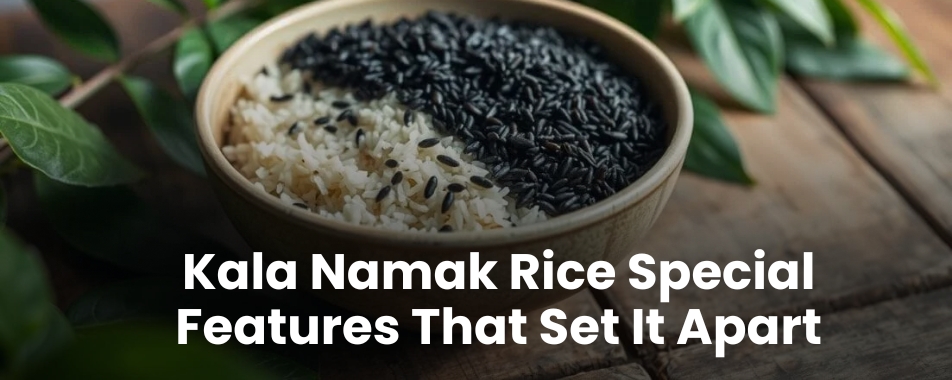
The term "black pearl" isn't just poetic language. When you examine unhusked Kala Namak grains, they display a deep, dark exterior that glistens like pearls when wet. This visual similarity to black pearls is the most obvious reason for the nickname, but there's much more to this comparison.
Just as natural black pearls are rare and highly valued in the world of gemstones, black pearl rice from India represents something equally precious in the culinary world. The scarcity of this rice, combined with its exceptional qualities, positions it as a luxury item that commands premium prices in both domestic and international markets.
The comparison also extends to value and exclusivity. Black pearls are formed through a unique natural process that cannot be rushed or replicated easily. Similarly, Kala Namak rice cannot be grown just anywhere or harvested without proper care and time. This parallel makes the "black pearl" designation particularly fitting.
Kala Namak Rice Special Features That Set It Apart
What truly distinguishes this variety from ordinary rice is the remarkable kala namak rice's special features that make it a culinary treasure:
Aromatic Excellence
The most striking feature of Kala Namak rice is its incredible aroma. When cooked, it releases a fragrance that combines notes of milk, pandan leaves, and a subtle earthiness that's unlike any other rice variety. This aroma is so distinctive that it can fill an entire kitchen, creating an anticipatory experience even before the first bite.
Elongated Grains
The grains of Kala Namak rice are notably long and slender. After cooking, they elongate further without breaking, resulting in fluffy, separate grains that don't clump together. This characteristic makes it perfect for biryanis, pulaos, and other festive dishes.
Soft Texture
Despite its firm appearance, cooked Kala Namak rice has a remarkably soft texture that melts in your mouth. The grains maintain their integrity while being tender, creating a pleasant eating experience that's neither mushy nor too firm.
Natural Aging Potential
Like fine wine, Kala Namak rice improves with age. When stored properly, aged Kala Namak develops even more complex flavors and aromas, with some connoisseurs preferring rice that's been aged for two to three years.
Unique Properties of Kala Namak Rice: Beyond the Basics
The unique properties of Kala Namak rice extend into nutritional and health benefits that make it more than just a flavorful grain:
● Lower Glycemic Index: Compared to white polished rice, Kala Namak has a lower glycemic index, making it a better choice for those managing blood sugar levels.
● Rich in Antioxidants: The dark husk contains anthocyanins and other antioxidants that offer health benefits, though these are partially removed during the milling process.
● Mineral Content: This rice variety is naturally richer in iron, zinc, and other essential minerals compared to modern hybrid varieties.
● Digestive Benefits: The grain's composition makes it easier to digest, and it's traditionally recommended for people with sensitive stomachs.
● Low Arsenic Content: Studies have shown that Kala Namak rice tends to have lower arsenic levels than many commercial rice varieties, making it a safer choice for regular consumption.
The Cultivation Challenge: Why It's Truly a Pearl
Understanding why this variety is considered precious requires looking at the cultivation challenges. Kala Namak rice is not an easy crop to grow, which contributes to its "black pearl" status.
The rice requires specific weather conditions and particular soil types and cannot tolerate the heavy use of chemical fertilizers that modern rice varieties depend on. Farmers must use traditional, often organic methods, which means lower yields but superior quality. The growing season is longer than that of conventional rice, requiring patience and expertise.
Additionally, the kala namak rice black pearl variety is susceptible to certain pests and diseases, making it a riskier crop for farmers. This combination of factors means that production remains limited, driving up both its value and its reputation as something special.
How Black Pearl Rice India Compares to Other Premium Varieties
India is home to several premium rice varieties, including Basmati, Gobindobhog, and Ambemohar. So where does Kala Namak fit in this prestigious lineup?
While Basmati is known worldwide for its aroma and long grains, Kala Namak offers a more complex, nuanced fragrance that many rice enthusiasts find superior. The aroma of Kala Namak is often described as having a "milky" quality that Basmati lacks, making it distinctive even among premium varieties.
In terms of texture, Kala Namak produces softer grains than Basmati, which some people prefer, especially when eating rice as a standalone dish rather than in complex recipes. The unique properties of Kala Namak rice give it advantages in specific culinary applications where its softer texture and distinctive aroma can truly shine.
Culinary Applications: Making the Most of Your Black Pearl
To truly appreciate Kala Namak rice, it's important to prepare it correctly:
Traditional Preparation Method:
● Wash the rice gently 2-3 times until the water runs clear
● Soak for 20-30 minutes before cooking
● Use a 1:1.75 rice-to-water ratio
● Cook on low heat after bringing to a boil
● Let it rest for 5-10 minutes after cooking
The kala namak rice special features shine brightest when the rice is prepared simply. Many enthusiasts recommend eating it plain with just a touch of ghee to fully appreciate its natural aroma and flavor. However, it also excels in:
● Festival biryanis, where the aroma enhances the dish
● Sweet rice preparations (kheer), where its fragrance complements cardamom and saffron
● Pulao dishes where each grain's integrity matters
● Served alongside rich curries and gravies
Preservation and Geographic Indication Status
Recognizing the cultural and agricultural significance of this variety, Kala Namak rice received a Geographic Indication (GI) tag, protecting its authenticity and ensuring that only rice grown in specific regions under traditional methods can carry the name.
This GI status further reinforces why Kala Namak rice is called the black pearl of rice. Just as champagne can only come from the Champagne region of France, authentic Kala Namak can only come from its designated growing areas in Uttar Pradesh and nearby regions.
The GI tag helps preserve traditional farming practices, protects farmers' interests, and ensures consumers receive genuine Kala Namak rice when they pay premium prices for it.
The Market Reality: Scarcity and Value
Today, authentic Kala Namak rice commands prices that are several times higher than regular rice and often exceeds even Basmati prices. This premium pricing reflects both its scarcity and its exceptional qualities.
Unfortunately, the high value has also led to issues with counterfeit products. Some sellers market inferior rice varieties as Kala Namak, which is why purchasing from certified sources is essential. Look for the GI tag and buy from reputable dealers who can trace their product back to authentic growers.
Environmental and Sustainable Aspects
In an era where sustainable agriculture is increasingly important, black pearl rice in India represents a model worth examining. Traditional Kala Namak cultivation relies on:
● Minimal chemical inputs
● Natural pest management techniques
● Traditional water management practices
● Preservation of heirloom seed varieties
● Support for small-scale farmers
By choosing Kala Namak rice, consumers support sustainable agricultural practices and help preserve biodiversity in rice cultivation. This adds another dimension to its "pearl" status—it's not just valuable as a commodity but also as a sustainable agricultural practice.
The Future of Kala Namak Rice
As global interest in heirloom and heritage foods grows, Kala Namak rice is finding new audiences beyond India. Food enthusiasts, chefs, and health-conscious consumers worldwide are discovering what makes this grain special.
However, the future of this precious variety depends on supporting the farmers who grow it. The labor-intensive cultivation methods and lower yields compared to modern varieties mean that growing Kala Namak is often less profitable than commercial alternatives, despite the higher per-kilogram price.
Initiatives to promote Kala Namak rice, educate consumers about its unique properties, and ensure fair prices for farmers are essential to keeping this "black pearl" from becoming an extinct rarity.
Conclusion
The title "Black Pearl of Rice" given to Kala Namak is far more than clever marketing. It encapsulates the rarity, beauty, value, and exceptional qualities of this remarkable grain. From its dark, lustrous appearance to its unmatched aroma, from its nutritional benefits to its cultural significance, Kala Namak rice truly deserves its prestigious nickname.
Whether you're a rice connoisseur seeking the finest varieties, a health enthusiast looking for nutritious alternatives, or someone who simply appreciates good food, experiencing authentic Kala Namak rice is a journey worth taking. Each grain carries centuries of agricultural heritage, the dedication of traditional farmers, and flavors that remind us why certain foods become legendary.
The next time you encounter this black pearl rice, India variety, you'll understand that you're not just purchasing rice—you're investing in a piece of culinary history, supporting sustainable agriculture, and treating yourself to one of India's most treasured grains. That's why Kala Namak rice is called the black pearl of rice, and why it continues to captivate those fortunate enough to taste it.
Want more recipes & rice stories?
Explore our blog for quick tips, cooking guides, and inspiration.
Category
Heritage Rice
Quick actions
Related posts